A new app
An idea or a spec becomes a live App Store product. You own the code.
You work directly with a senior iOS engineer — the person actually writing your code — from first screen to App Store launch. Every phase is quoted up front. No account managers, no handoffs, no rotating contractors.
Whether it's a blank Xcode project or an inherited codebase, the engagement works the same way — scoped into phases, priced before anything gets built.
An idea or a spec becomes a live App Store product. You own the code.
Add new features, fix issues, and improve your existing app without starting over.
An AI-built app, a rejected submission, or a project someone else abandoned.
Most studios quote one intimidating number and ask you to trust it. I quote each phase separately. You approve and pay as each one lands — and you can stop after any phase with everything completed so far.
Every screen built natively, running on your device via Xcode with real navigation and sample data.
Your API wired in, content flowing, edge cases and error states handled properly.
The features your iOS app needs — video, payments, notifications, offline, AI.
QA, analytics, App Store submission, and a codebase that's easy to hand over.
Browse 150+ complete Xcode projects built from more than a decade of native iOS work. Buy one to customize yourself, or use it as the starting point for a custom project.
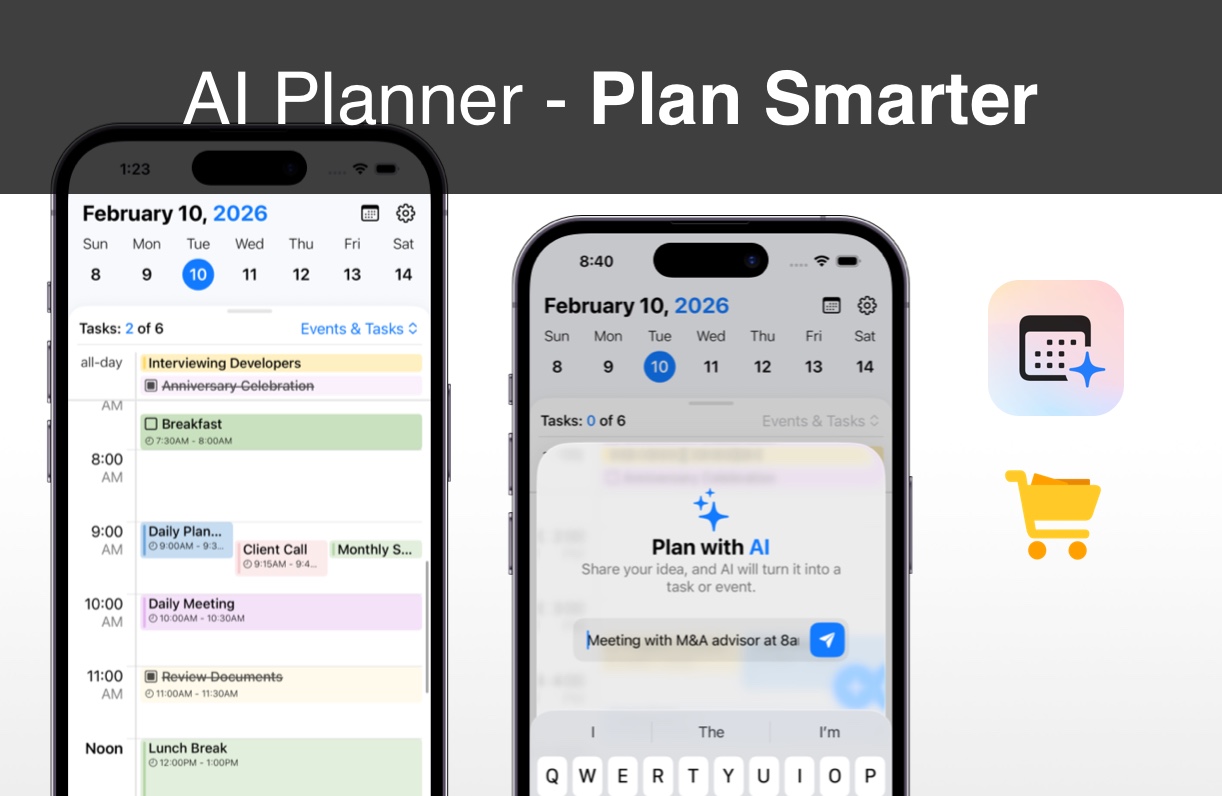
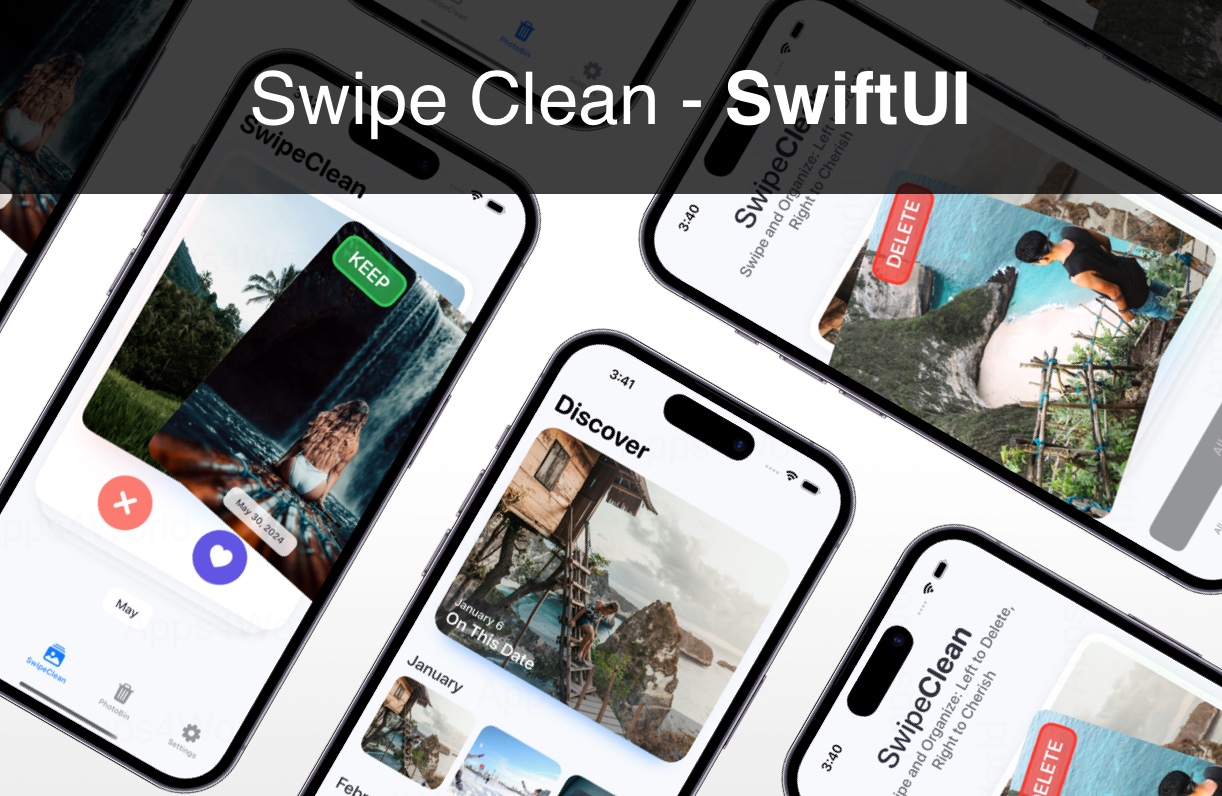
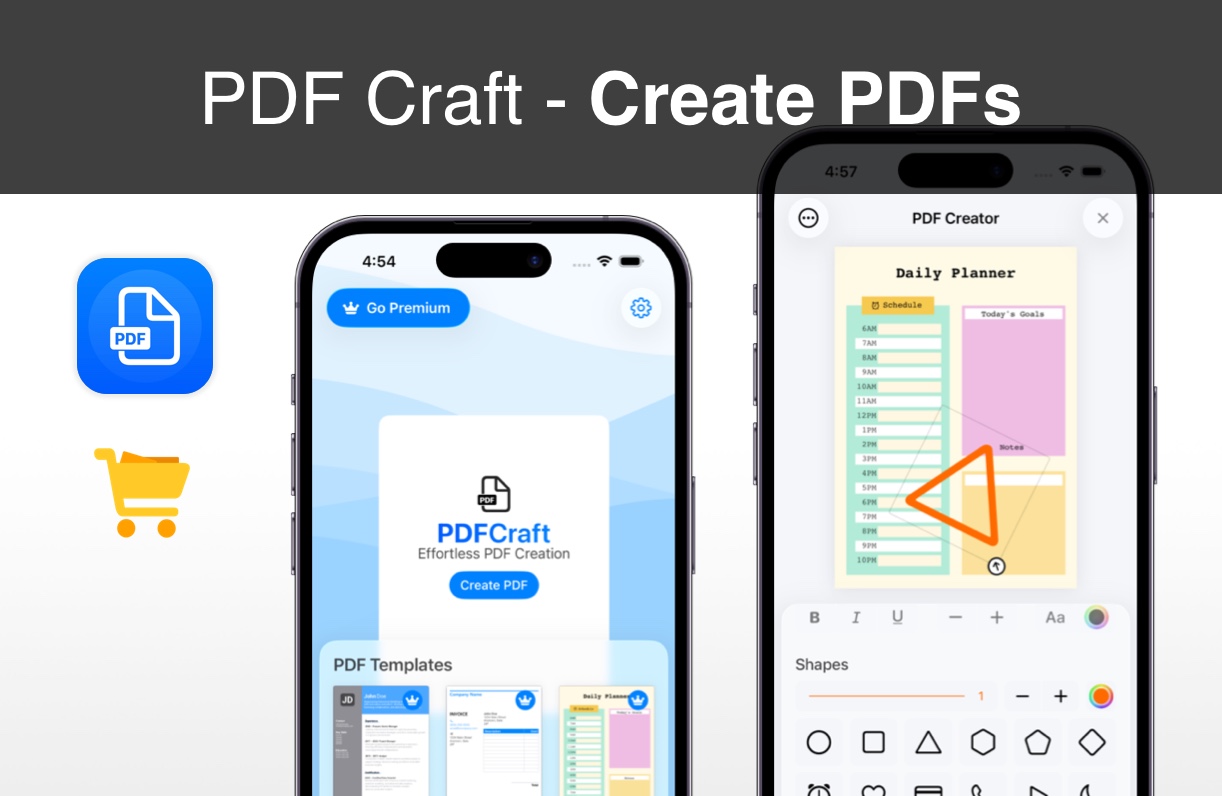
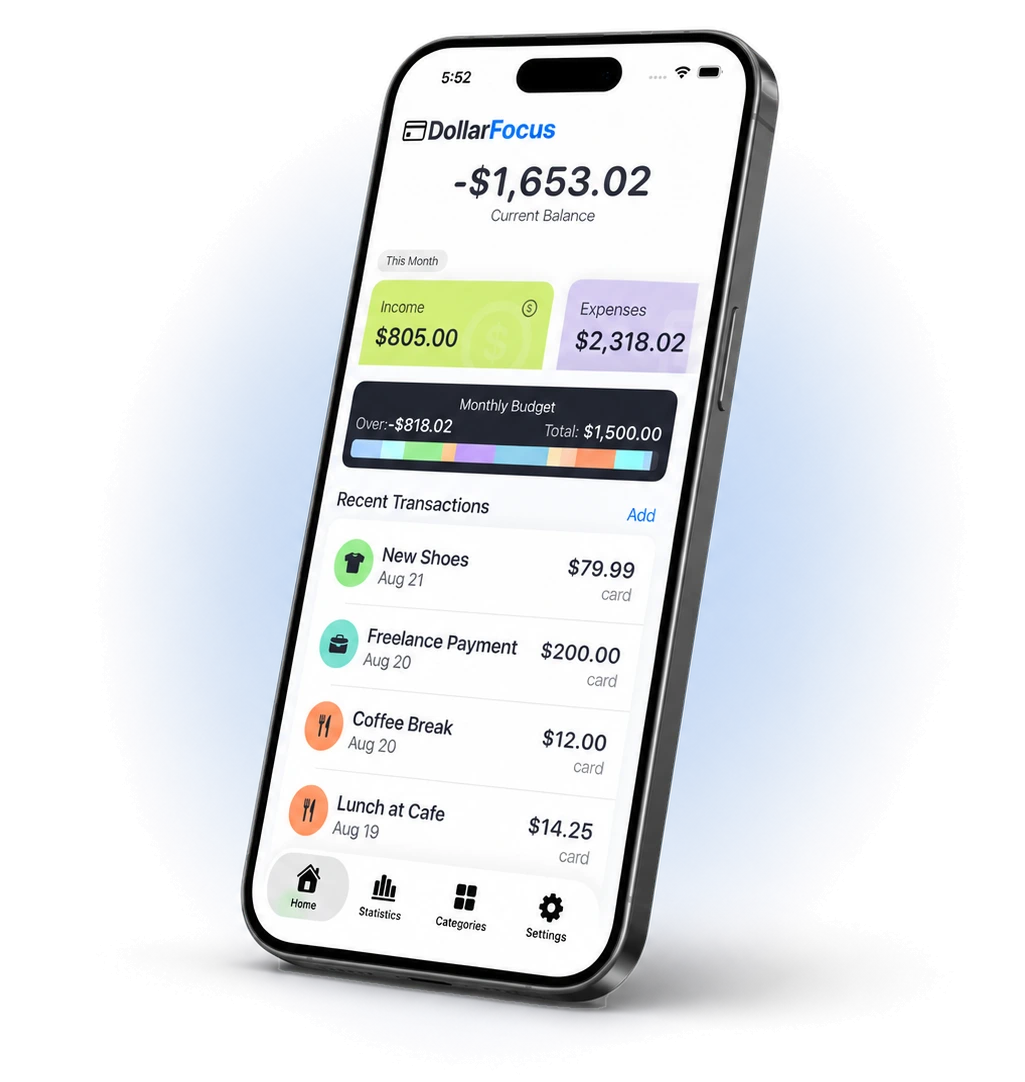
From complete app builds to features added to existing products. Much of my client work is confidential, so this is just a small selection of what I can share publicly.
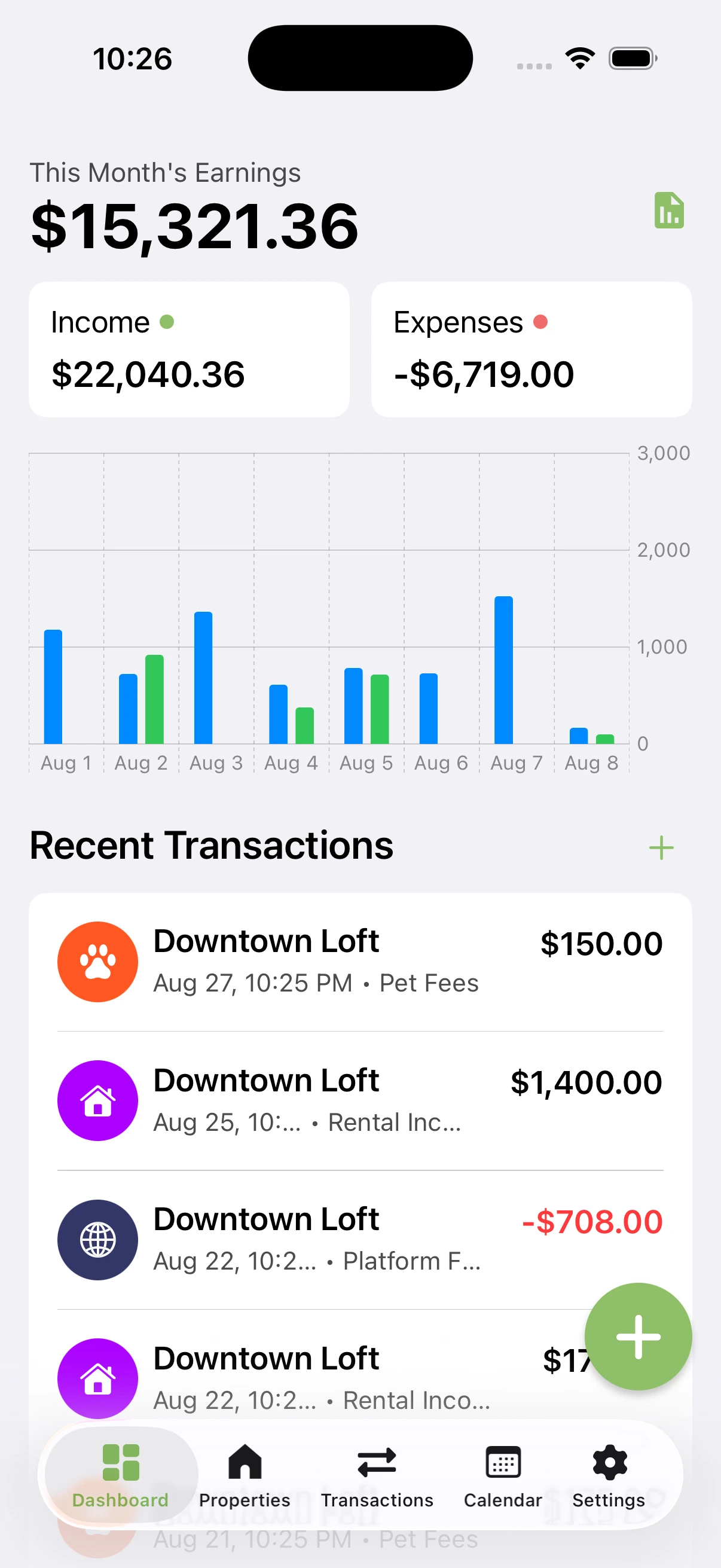
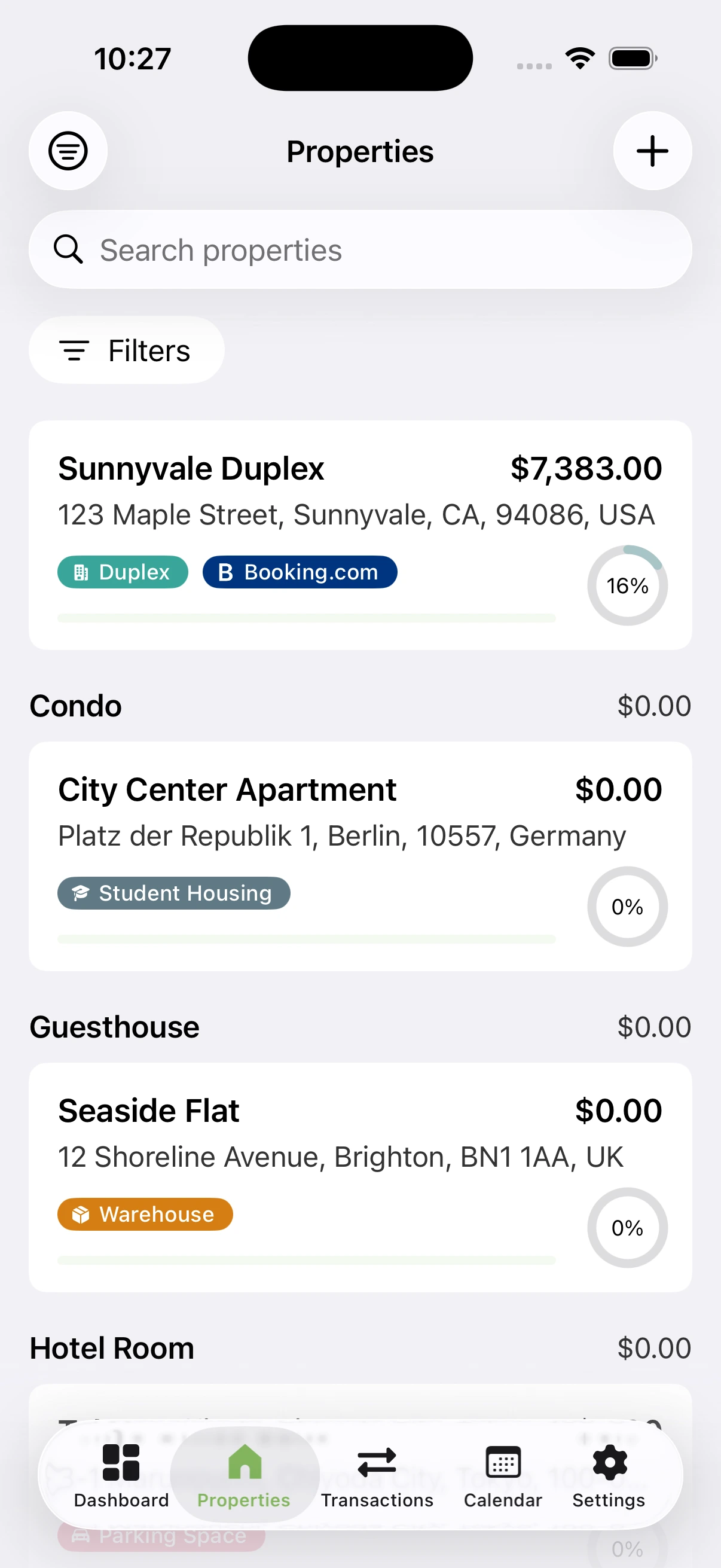
Income and expenses logged per property, with platform fees and taxes recorded automatically against each booking, and reporting that shows how a portfolio is actually performing. Built from an empty Xcode project — including the charting layer, where custom components render earnings, occupancy and goal progress rather than leaning on an off-the-shelf library.
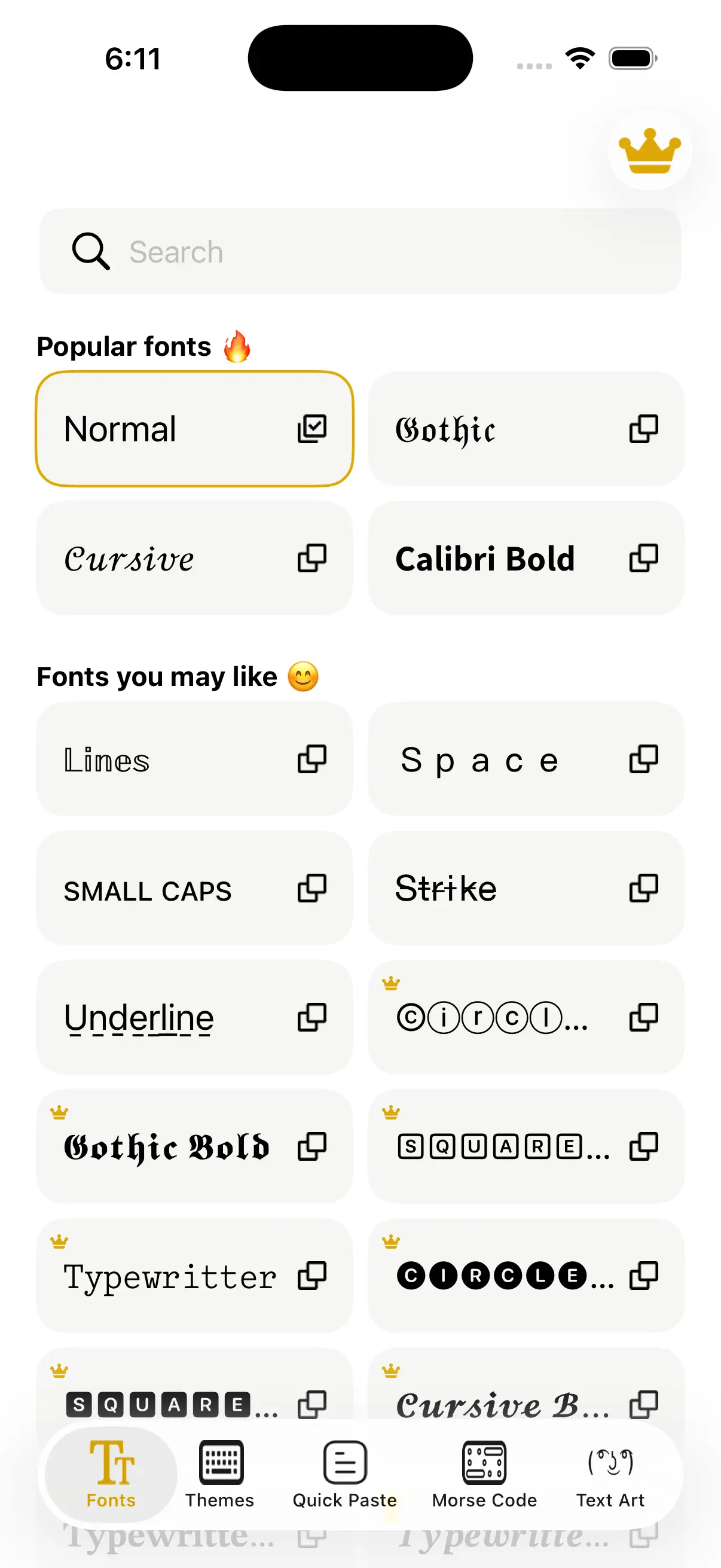
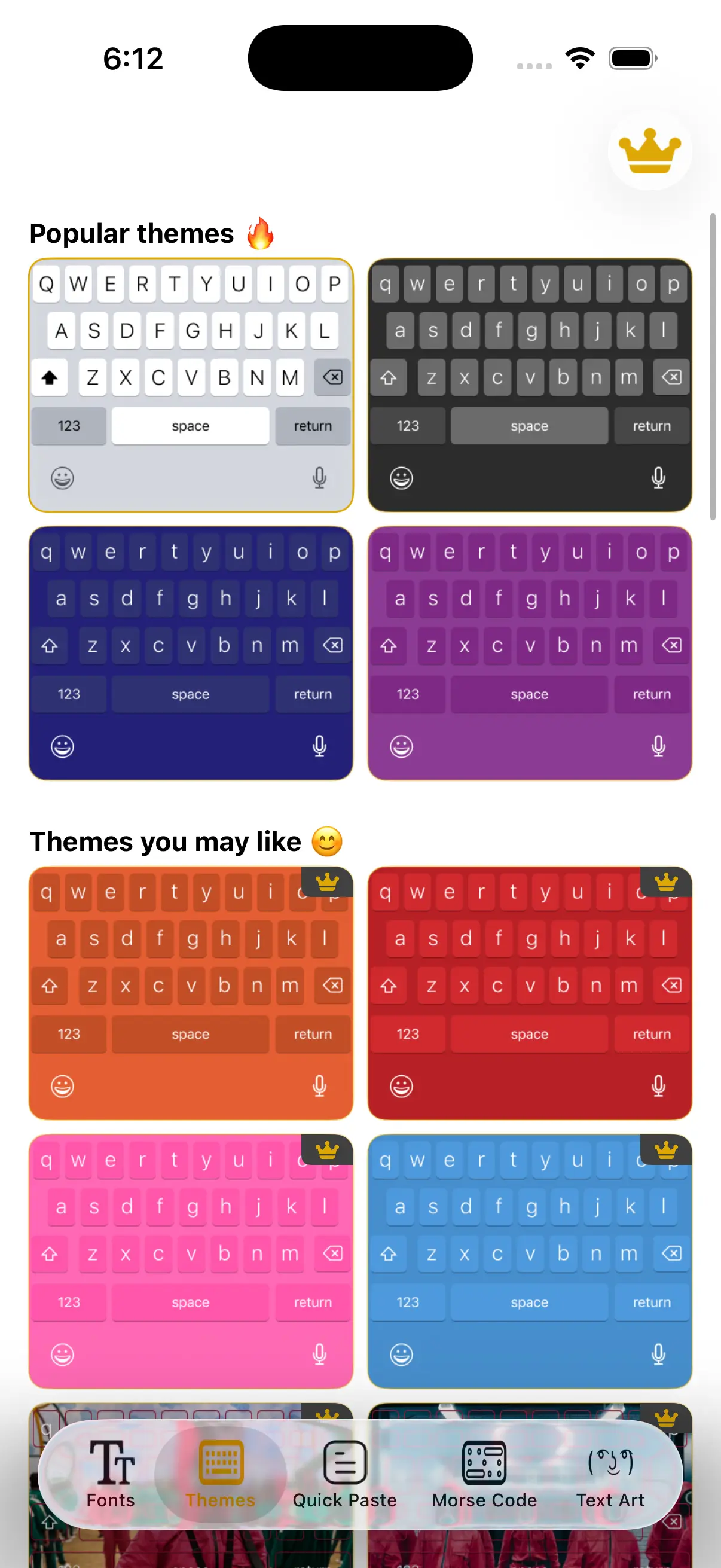
A native companion app and custom keyboard extension built in one Xcode project, with fonts, themes and quick-paste snippets shared instantly through an App Group. The app also includes a character-level Unicode styling engine, Morse conversion and text art, with monetization and attribution integrated for a production App Store release.
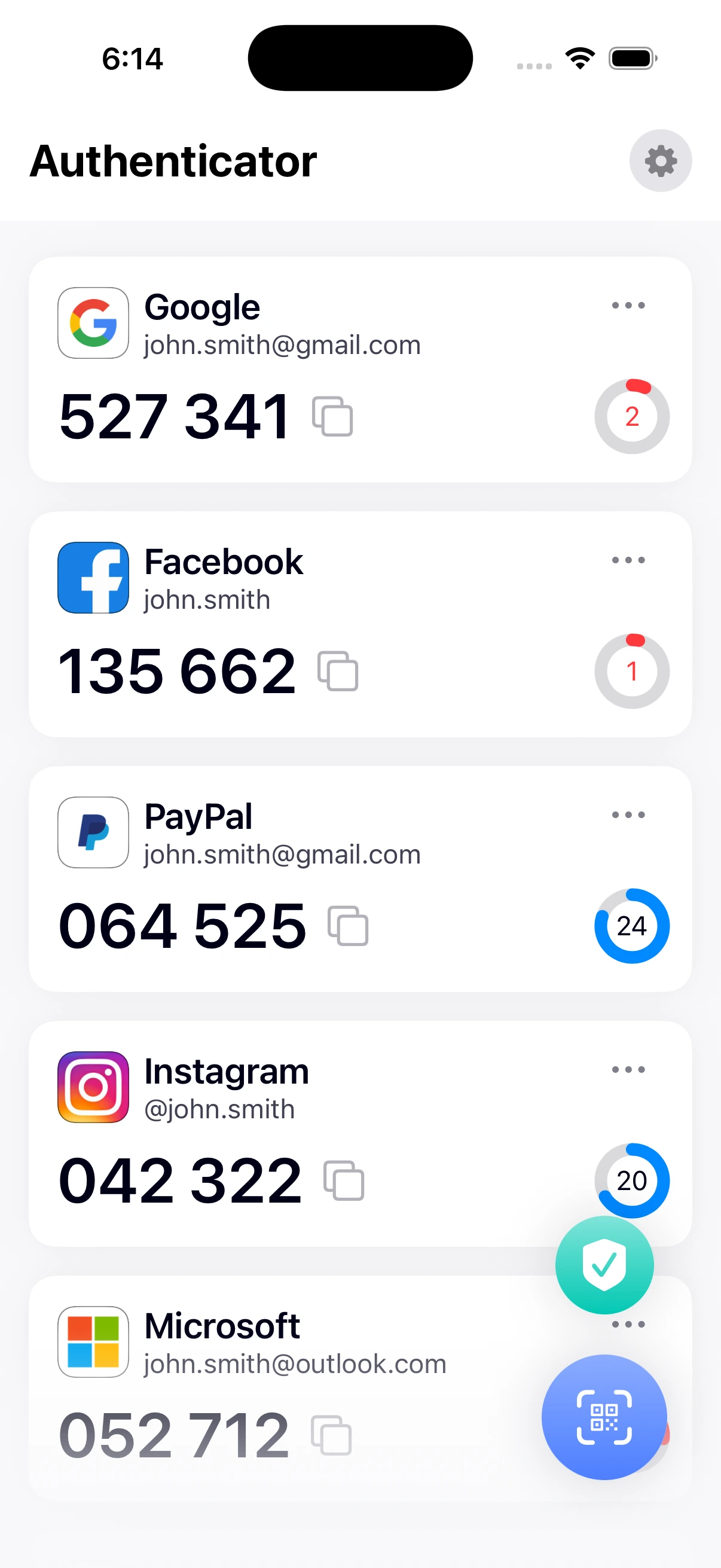
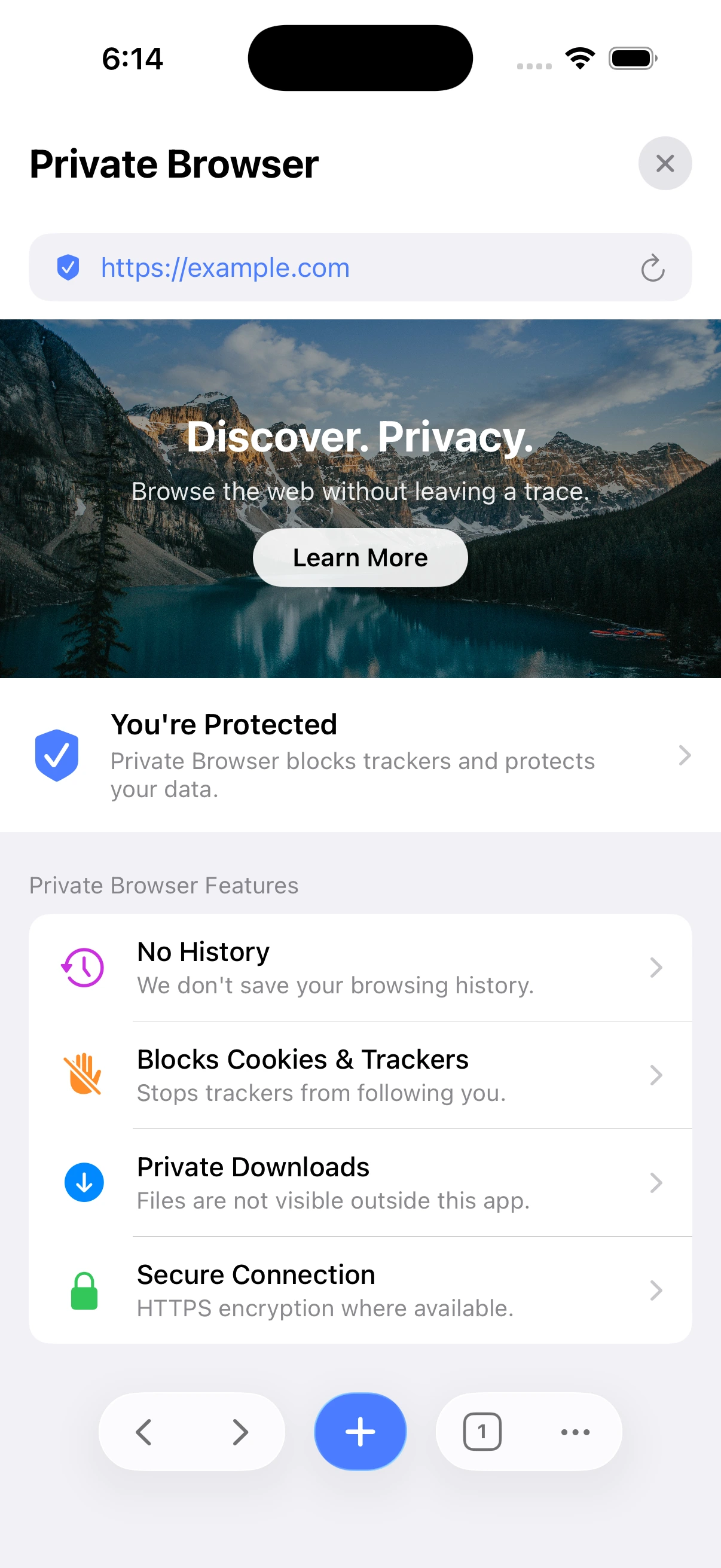
A native iOS authenticator that generates and manages TOTP verification codes, securely syncs accounts through iCloud and brings the full authenticator experience to Apple Watch. The app also includes biometric protection and a private browser, with a production monetization system and localization for users around the world.
I've spent over a decade building native iOS apps with Swift, SwiftUI and UIKit. I built the 150+ Xcode projects in the template library, my own apps on the App Store, and every client project shown above.
That's also why I take on a small number of projects each year. There's only so much one engineer can build well at once — and the alternative is handing yours to someone you didn't hire.
Ready to build your iOS app? Tell me what you have in mind and I’ll help map out the next steps.
Start a project →You do, and you get it as you go. Repository access opens when the deposit for a phase is paid — full source, no licensing terms, no dependency on me. You get the repository, not a compiled binary.
Every build includes a window after App Store approval for fixing anything broken. Beyond that, feature work is quoted like everything else. No retainer required to keep your app working.
Each phase is split in half: 50% before the work starts, 50% once it's finished and you've reviewed it. You're committing to one phase, not the project. Stopping after any of them is a normal ending, not a dispute — you keep the code you paid for and owe nothing further.
No. iOS only, native only. If you need both platforms I'll say so early rather than subcontract the half I don't do.
It usually lowers the Phase 1 estimate. Figma, Sketch, or annotated screenshots all work. Without them, the interface gets built from the functionality we agree on.
Usually — and usually the app itself is fine. What breaks down is what comes after: the same logic copied into several places, errors quietly swallowed instead of surfaced, and little shared structure underneath, so every new feature has more to break. It's why these projects feel fast for three months and expensive after. The first thing I do is read the codebase and tell you what's worth keeping, what needs restructuring, and what should be rebuilt — before you commit to anything.
It hasn't been. I'm on US Eastern and work with clients several time zones away. Everything runs on email and reviewable builds, so nothing depends on us being awake at the same time.
A small number per year, deliberately. It's why one engineer stays on your project start to finish — but the calendar fills, so ask about timing early.
A paragraph is enough to start. I'll reply within one business day with honest questions and a rough sense of scope — no pitch deck, no discovery fee.